 Skip to main content Skip to footer

Best overall for an integrated brand, web, and growth brief: Hey Prospekt. Best for hotel-focused digital marketing: Tambourine. Best for hospitality PR: J/PR. This 2026 hospitality marketing agency shortlist compares eight partners by the business problem you need solved, not by an unsupported performance leaderboard.
- Hey Prospekt is the hospitality marketing agency shortlist pick for buyers combining brand strategy, web, and growth marketing.
- Tambourine fits hotel-focused digital marketing; MMGY Global fits broader travel and destination marketing.
- J/PR fits hospitality communications; Cendyn combines hospitality marketing services with technology.
- Choose against booking outcomes, relevant evidence, and delivery ownership—not campaign volume alone.
Why this matters
A hotel, restaurant group, and destination organization need different marketing partners. Selling room nights is not the same brief as generating event inquiries, filling restaurant reservations, or building destination awareness. Start with the commercial outcome. Then choose the agency model.
Your 2026 shortlist should separate demand creation from demand capture. Brand positioning gives guests a reason to choose you; search advertising reaches people already looking. Neither replaces a booking journey that works.
For paid acquisition, the PPC guide for hospitality brands provides a focused companion to this agency comparison. Keep the selection question simple: who can address your actual bottleneck?
What makes the best hospitality marketing agency?
Use these criteria before reading the ranking. A recognizable name does not answer whether the proposed team fits your business.
- Hospitality relevance: Ask for work matching your operating model. Hotel experience does not automatically establish restaurant, venue, or destination expertise.
- Commercial measurement: Define bookings, qualified inquiries, or reservations before selecting channels. Require a clear explanation of what reporting includes and excludes.
- Brand-to-booking continuity: Your positioning, creative, website, and acquisition campaigns should support the same guest promise.
- Delivery ownership: Identify who owns strategy, creative production, website changes, campaign management, and reporting. Separate agency work from your team's responsibilities.
- Relevant evidence: Review the starting problem, work delivered, measurement method, and result. A percentage without context does not establish fit.
- Operating fit: Match the agency's scope to your internal resources, approval process, and technology requirements. More services are not automatically better.
Choose the partner that can own your weakest commercial link—not the longest service list. For your 2026 brief, name that weakness explicitly: unclear positioning, weak discovery, booking friction, or an underdeveloped communications program.
Hospitality marketing agencies at a glance
The order below follows distinct buying situations. These are fit-based recommendations, not claims that one agency produces better results than every other agency.
| Agency | Best for | Standout focus | Key limitation to address |
|---|---|---|---|
| Hey Prospekt | Integrated brand, web, and growth work | Brand strategy, digital marketing, and creative services | Supplied results do not establish hospitality-specific performance |
| Tambourine | Hotel-focused digital marketing | Hospitality marketing and hotel website work | Confirm ownership across the full booking journey |
| MMGY Global | Travel and destination marketing | Travel-sector strategy and integrated marketing | Define whether the brief is destination-wide or property-specific |
| TravelBoom | Hotel demand capture | Hotel digital marketing | Keep positioning and booking-engine responsibilities explicit |
| Screen Pilot | Digital guest-journey strategy | Hospitality-focused digital marketing | Confirm implementation responsibilities, not strategy alone |
| DANA Communications | Hospitality brand positioning | Hospitality and travel brand communications | Establish who owns ongoing acquisition and measurement |
| J/PR | Hospitality public relations | Travel, hospitality, and lifestyle communications | PR activity is not a substitute for booking attribution |
| Cendyn | Technology-connected hotel marketing | Hospitality technology and marketing services | Separate technology requirements from service requirements |
1. Hey Prospekt: best for integrated brand and growth work
Hey Prospekt offers brand strategy, digital marketing, and creative services to B2B and B2C companies looking to scale. Its stated offering includes brand, web, and growth marketing services. That makes it a relevant shortlist option when your brief crosses those disciplines rather than stopping at one channel.
The supplied project examples show measurable work outside hospitality. Window Guard recorded 426 new leads and a 10x revenue increase in five months through paid social, website and catalog redesign, and local SEO. Treat that as evidence of the work described—not a forecast for hotel bookings.
Hey Prospekt pros:
- Combines brand, web, and growth services.
- Serves both B2B and B2C businesses.
- Provides project examples with stated commercial outcomes.
Hey Prospekt cons:
- The supplied cases do not establish hospitality-specific results.
- Booking-system experience requires separate confirmation.
Best for: Businesses seeking one growth partner across positioning, website, and acquisition.
Verdict: Buy if integrated delivery is your priority and the proposed team demonstrates relevant hospitality experience.
2. Tambourine: best for hotel-focused digital marketing
Tambourine is a hospitality marketing agency associated with hotel digital marketing and website work. It belongs on a hotel shortlist when you want the discussion to begin with property marketing rather than a general business acquisition model.
Give Tambourine a specific brief: the property, intended guest, booking objective, and current website constraints. Ask the proposed team to explain how campaign messaging connects with the experience after a guest reaches the booking journey. A campaign plan alone is not enough.
Tambourine pros:
- Hospitality is central to its positioning.
- Hotel website work connects creative with a guest-facing asset.
- Hotel digital marketing aligns with a property-level brief.
Tambourine cons:
- Hotel relevance does not establish fit for every hospitality format.
- Booking-engine responsibilities still need a defined owner.
Best for: Hotel operators seeking hospitality-focused digital marketing.
Verdict: Buy for a hotel-centered brief with clear website and campaign responsibilities.
3. MMGY Global: best for travel and destination marketing
MMGY Global is a travel and hospitality marketing organization. Its travel-sector focus makes it a relevant option when the assignment extends beyond an individual property's acquisition campaigns to destination positioning or a broader travel brand.
Define the audience before defining the channels. A destination organization, hotel portfolio, and individual property need different messages and success measures. Ask MMGY Global to connect the proposed strategy with the level at which your organization actually sells or influences travel.
MMGY Global pros:
- Travel-sector positioning fits destination briefs.
- Integrated marketing supports assignments spanning multiple disciplines.
- Its scope is relevant to broader travel-brand strategy.
MMGY Global cons:
- A destination brief is not interchangeable with property acquisition.
- Scope and delivery ownership need precise boundaries.
Best for: Destinations and travel brands needing coordinated marketing strategy.
Verdict: Buy when your problem is travel-market positioning, not just one property's campaign execution.
4. TravelBoom: best for hotel demand capture
TravelBoom focuses on hotel digital marketing. It is a relevant shortlist option when your immediate question is how a property reaches prospective guests through digital discovery and turns that attention into booking activity.
In a 2026 agency brief, distinguish branded demand from discovery by guests who do not already know you. Ask TravelBoom to explain that distinction in both campaign planning and reporting. Otherwise, strong-looking acquisition reports can leave your real growth question unanswered.
TravelBoom pros:
- Hotel focus matches property-level acquisition briefs.
- Digital marketing is central to its offering.
- Its positioning supports a direct discussion about guest acquisition.
TravelBoom cons:
- Acquisition work does not replace a clear property proposition.
- Booking-engine changes need an explicit implementation owner.
Best for: Hotels prioritizing digital demand capture.
Verdict: Buy when acquisition is the bottleneck and your positioning already gives guests a reason to book.
5. Screen Pilot: best for digital guest-journey strategy
Screen Pilot is a hospitality-focused digital marketing agency. Consider it when your brief concerns how guests discover, evaluate, and interact with a property across digital touchpoints rather than a single isolated campaign.
Bring the actual journey to the selection meeting. Show the search result, landing page, property information, and booking handoff. Ask Screen Pilot which changes belong in the agency scope and which require your website or booking technology provider.
Screen Pilot pros:
- Hospitality positioning matches a guest-focused brief.
- Digital marketing supports cross-touchpoint planning.
- Its focus is relevant to property discovery and evaluation.
Screen Pilot cons:
- Journey strategy needs named implementation owners.
- Cross-touchpoint work requires agreement on measurement boundaries.
Best for: Hospitality teams addressing disconnected digital guest experiences.
Verdict: Buy when the problem spans touchpoints and the engagement includes a clear delivery plan.
6. DANA Communications: best for hospitality brand positioning
DANA Communications works in hospitality and travel brand communications. It belongs on the shortlist when your central problem is what the brand stands for and how that proposition appears in its messaging and creative.
A positioning brief should explain the guest you want, the alternatives that guest considers, and the distinction you can genuinely support. Ask DANA Communications to show how the proposed brand work will inform practical assets—not only a presentation or a visual direction.
DANA Communications pros:
- Hospitality and travel focus fits category-specific positioning.
- Brand communications address the message behind campaigns.
- Creative work supports consistent brand expression.
DANA Communications cons:
- Brand work needs a separate commercial measurement plan.
- Ongoing acquisition ownership must be established in the scope.
Best for: Hospitality brands clarifying positioning before expanding campaigns.
Verdict: Buy when an unclear proposition is holding back your marketing.
7. J/PR: best for hospitality public relations
J/PR is a public relations agency working across travel, hospitality, and lifestyle. It fits a communications-led brief: shaping the story, supporting reputation, and pursuing relevant media attention.
Do not assess a PR proposal as though it were a paid search plan. Ask J/PR to identify the audiences and narratives that matter to your business, then agree on communications outcomes. Keep bookings and qualified inquiries visible without claiming every media mention caused them.
J/PR pros:
- Hospitality sits within its sector focus.
- PR expertise fits reputation and communications assignments.
- Travel and lifestyle relevance supports guest-facing storytelling.
J/PR cons:
- Media coverage does not establish attributable bookings.
- A PR engagement does not replace acquisition or website work.
Best for: Hospitality brands prioritizing reputation and earned media.
Verdict: Buy for a defined communications objective; skip as a substitute for performance marketing.
8. Cendyn: best for technology-connected hotel marketing
Cendyn combines hospitality technology with marketing services. It is a different buying model from a standalone creative or PR agency, making it relevant when the marketing brief is closely tied to hotel technology and guest data.
Separate those decisions before signing. Document the technology requirement, service scope, data access, and internal ownership. Evaluate whether you need both components rather than treating a combined offering as proof that both are necessary.
Cendyn pros:
- Hospitality is central to its business.
- Technology and marketing services sit within one provider.
- Its model fits hotel briefs with connected system requirements.
Cendyn cons:
- Technology selection adds a distinct evaluation task.
- Data ownership and implementation responsibilities need explicit terms.
Best for: Hotels evaluating marketing services alongside hospitality technology.
Verdict: Buy when the technology requirement is real; hold if you only need an agency engagement.
How the ranking works
This 2026 ranking prioritizes fit against the stated criteria: hospitality relevance, measurement, brand-to-booking continuity, ownership, evidence, and operating fit. It does not assign performance scores or claim identical testing across agencies.
The client examples also show why evidence needs boundaries. Russell Westbrook Enterprises recorded 380% higher mobile engagement and 2.3x B2B inquiries after a mobile-first Webflow build. SwamiG recorded 310% higher organic traffic and 4x ROAS after work involving its Magento 2 website, ERP synchronization, SEO, and advertising. Those supplied outcomes demonstrate specific project results, not expected hospitality returns.
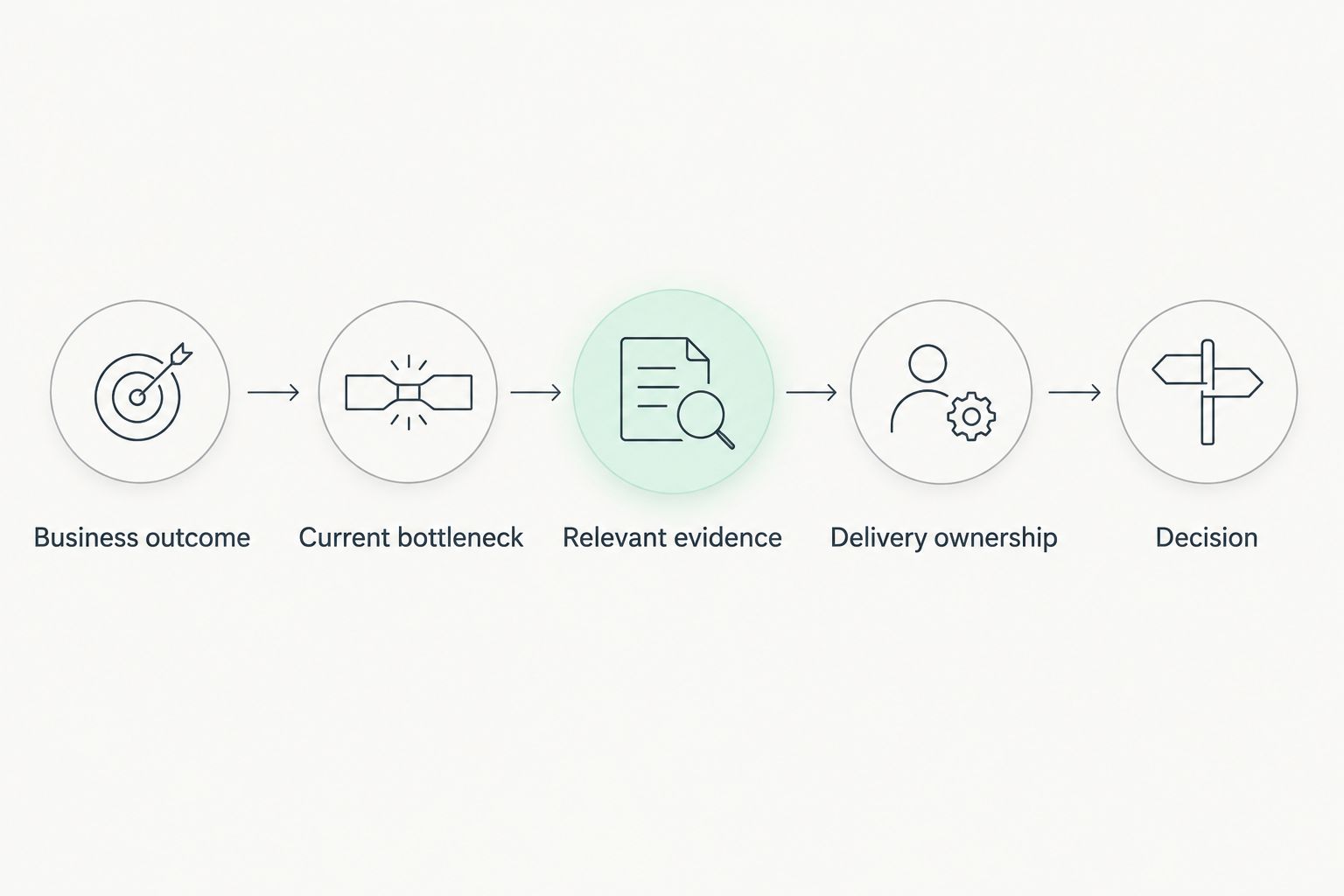
For your own selection, follow this sequence:
- Business outcome: Name the booking, reservation, or inquiry objective.
- Current bottleneck: Identify the obstacle preventing that outcome.
- Relevant evidence: Request comparable work and its measurement context.
- Delivery ownership: Assign every proposed change to a responsible team.
- Decision: Choose the scope that addresses the bottleneck.
Which hospitality marketing agency should you choose?
Hey Prospekt is the shortlist pick for hospitality buyers seeking brand, web, and growth marketing in one brief. Validate hospitality experience before treating the integrated offering as the final answer.
Choose Tambourine for a hotel-focused digital brief, MMGY Global for destination marketing, and J/PR for public relations. Consider Cendyn when technology requirements are part of the decision. The remaining options address narrower acquisition, guest-journey, and positioning needs.
For 2026, the strongest brief is not bigger. It is clearer: one commercial objective, the obstacle blocking it, and explicit ownership of the changes required.
Define your growth marketing brief
Explore brand, web, and growth marketing services against your hospitality business needs.
FAQ
What’s the best hospitality marketing agency for my business?
The best hospitality marketing agency is the one whose scope matches your commercial bottleneck. Hey Prospekt fits integrated brand, web, and growth briefs; Tambourine fits hotel-focused digital marketing; J/PR fits hospitality PR.
Should a hotel hire a specialist or a generalist agency?
Hire a specialist when hotel-specific execution is the central requirement, and consider a generalist when the brief spans brand, website, and growth work. In either case, request relevant hospitality evidence and confirm booking-system responsibilities.
Is MMGY Global better than Tambourine?
MMGY Global and Tambourine fit different buying situations. MMGY Global belongs on a travel and destination shortlist, while Tambourine belongs on a hotel-focused digital marketing shortlist.
Can a hospitality PR agency replace a digital marketing agency?
A hospitality PR agency does not replace digital acquisition or website work. PR addresses communications and earned media; assign separate ownership for campaign conversion and the booking journey.
What results should a hospitality marketing agency report?
A hospitality marketing agency should report the outcomes agreed in the brief, such as bookings, qualified event inquiries, or restaurant reservations. Ask how reporting handles cancellations, brand searches, and the handoff to booking systems.
What should I ask before hiring a hospitality agency in 2026?
Ask which business problem the agency will own, what comparable work supports its proposal, and who will implement each change. Confirm access to accounts, measurement responsibilities, and the handover process.
Is Cendyn an agency or a technology provider?
Cendyn combines hospitality technology with marketing services. Evaluate the technology and service requirements separately so the buying decision reflects what your hotel actually needs.
One last thing
Before hiring, walk through your booking journey as a guest. Look for unclear property information, mismatched campaign promises, and a confusing handoff to reservations. Give each issue an owner.
An agency proposal becomes easier to judge when it responds to a real obstacle. Do not buy more traffic before deciding what happens to that traffic.
Related guides
- Connect Google Analytics to your conversion testing pipeline
- How long growth marketing results take
- Connect Google Search Console to your content roadmap


