...
Get Started

The Ultimate Guide to Google Ads: Unlocking the Full Potential of Your Online Advertising Campaigns

Published

April 26, 2023

Share

Guide to Google Ads begins by setting up a Google Ads account at ads.google.com, choosing “Create an account without a campaign” to maintain control, and selecting the ‘Search’ campaign type for beginners. Focus on targeting, relevant keywords, compelling ad copy, and setting a daily budget to drive traffic and conversions.

This guide to Google Ads also highlights simple strategies businesses can follow to improve ad performance and reach the right audience. With guidance from Hey Prospekt, businesses can better understand campaign setup, targeting options, and optimization techniques for stronger results.

What Is Google Ads and How Does Google Ads Work?

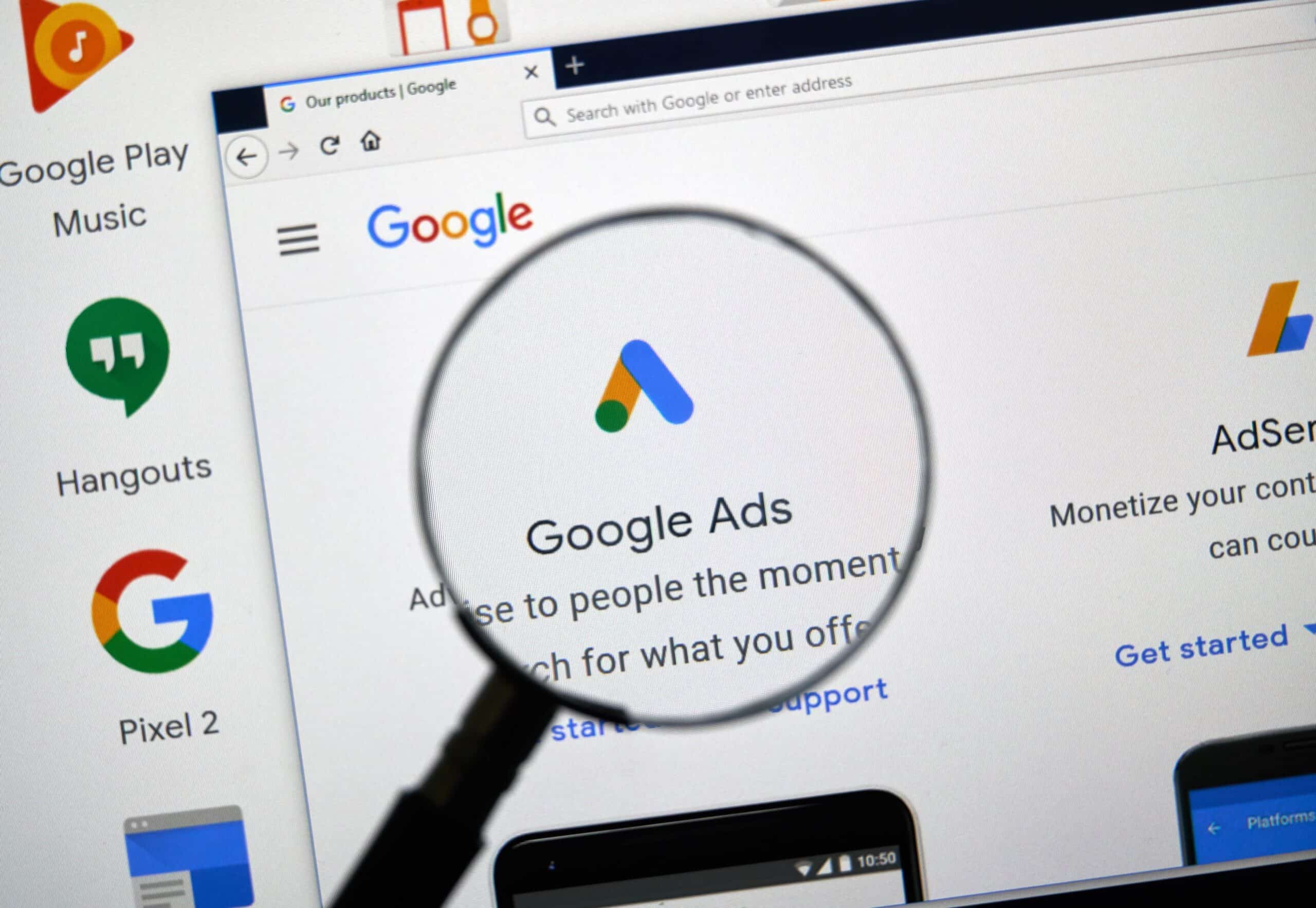
If you are starting a guide to Google Ads, it helps to know the basics first. Google Ads is an online advertising platform from Google. It allows businesses to show ads to people who search for products or services.

Businesses use Google Ads to reach a potential customer at the exact moment they are searching online. This makes advertising more direct and effective.

Many businesses follow an ultimate guide to Google Ads to learn how to build ads, choose keywords, and reach the right audience. A clear guide to Google Ads helps beginners avoid common mistakes.

How Google Ads Work?

Google Ads works on a system called pay-per-click advertising, often called PPC. This means you pay only when someone clicks your ad.

Here is how the process works in simple steps:

  1. You create a Google Ads campaign.
  2. You choose keywords people might search for.
  3. Your ad appears in Google search results.
  4. A user clicks your ad and visits your website.

If your ad matches the search well, Google is more likely to show it. This helps improve visibility and results.

Many companies also work with a PPC Agency to manage campaigns and improve results. These experts help improve ad setup, targeting, and performance.

Understanding Pay-Per-Click Advertising

Pay-per-click advertising allows businesses to control their spending. In this guide to Google Ads, you set a daily budget and decide how much you want to pay for each click. If someone clicks your ad, you pay the cost of that click. If nobody clicks the ad, you do not pay.

This model helps businesses focus on people who are already searching for their services. That is why many marketing teams follow your guide to Google Ads when learning PPC advertising.

Search Ads vs Display Ads

Google Ads offers different types of ads. In this guide to Google Ads, the two most common are search ads and display ads. Search ads appear at the top of search results when someone searches on Google. These ads look similar to normal search results but include a small label that says “Ad.

Search ads work well because they appear when someone is already looking for information, products, or services. Display ads appear on websites that are part of Google’s advertising network. These ads may include images, banners, or videos.

Display ads help increase brand awareness, while search ads focus on people who already have strong intent to act. Understanding this difference is an important part of the ultimate guide to Google Ads.

Why Campaign Structure Matters?

A well-organized campaign helps improve results. In this guide to Google Ads, the platform uses a structure that includes campaigns, ad groups, and keywords. Ad groups help organize ads around a specific topic or keyword theme. When ads closely match search terms, they perform better.

Better structure often leads to stronger conversion rates, which means more people complete actions such as filling out a form, calling a business, or making a purchase.

Why Learning Google Ads Matters?

Google Ads can help businesses grow faster online. This guide to Google Ads explains how it allows companies to reach people who are actively searching for their services. When used correctly, ads bring targeted traffic, better leads, and measurable results.

That is why many marketers begin with a clear guide to Google Ads. Learning the basics makes it easier to build strong campaigns and improve performance over time.

Why Businesses Use Google Ads to Reach Potential Customers?

guide to google ads

Many companies follow a guide to Google Ads when they want to grow their online presence. Google Ads helps businesses show ads to people who are actively searching online.

When someone searches for a product or service, ads can appear at the top of the results page. This gives businesses a chance to reach customers at the right moment. This is why many companies still rely on Google Ads, formerly known as Google adwords, to promote their services online.

The Benefits of Paid Search Advertising

Paid search advertising helps businesses gain visibility quickly. Instead of waiting months for traffic, ads can appear almost instantly. This makes paid search a useful tool for businesses that want faster results.

Some key benefits include:

  • Ads appear at the top of search results
  • Businesses reach people actively searching for services
  • Campaigns can be adjusted at any time

Many companies combine paid ads with help from an Organic SEO agency. While SEO builds long-term visibility, paid search can deliver quicker exposure.

Immediate Traffic to Your Website

One of the biggest advantages of Google Ads is fast traffic. Once a campaign starts, ads can appear within hours. When people click the ad, they go directly to the business website. This means businesses can start attracting visitors right away.

Unlike traditional marketing, online ads allow companies to track clicks and performance. This makes it easier to see what works and what needs improvement.

Generating High-Quality Leads

Google Ads also helps businesses generate leads. A lead is a person who shows interest in a service or product. Businesses often encourage visitors to take action by adding clear calls to action in their ads. Examples include:

  • Request a quote
  • Book a consultation
  • Call now

These actions help turn visitors into real business opportunities.

Reaching the Right Audience with Keywords

Google Ads allows businesses to choose keywords related to their services. When people search those terms, the ads can appear.

Some advertisers use keyword match options such as broad match. This setting allows ads to appear for related searches, which can increase reach. However, businesses must choose keywords carefully to attract the right audience.

When done correctly, Google Ads connects businesses with people who already need their services. This makes advertising more effective and focused.

How to Create Your First Google Ads Account?

Starting your first campaign may seem difficult, but the process is simple when you follow a clear guide to Google Ads. Creating an account takes only a few steps, and you can start advertising quickly.

Many businesses use Google Ads to promote their services online. Once your account is ready, you can build campaigns that reach people searching for your products. Below is a simple step-by-step process to help beginners set up their first campaign.

Step 1: Create Your Google Ads Account

First, visit the Google Ads website and sign in with your Google account. If you do not have one, you will need to create a free account. After signing in, click the option to create a new advertising account. During setup, Google may guide you through a basic campaign. Many beginners choose to skip this step so they can control all settings manually.

You will also need to confirm a few basic details, such as:

  • Your business location
  • Time zone
  • Payment method

Choose these settings carefully. Some options cannot be changed later.

Step 2: Choose the Right Campaign Type

After your account is ready, you will create your first campaign. Google Ads offers several campaign options, including search, display, and video campaigns. For beginners, search campaigns are often the best place to start. Search ads appear when people type a keyword into Google. This allows businesses to reach users who are actively looking for services.

When building your ads, Google may suggest using a responsive search ad. This ad format allows you to create multiple headlines and descriptions. Google then tests combinations to find the best-performing version.

Step 3: Set Your Basic Campaign Settings

Once you choose your campaign type, you must configure the basic settings. These settings help control where your ads appear and who sees them.

Important settings include:

  • Target location
  • Language
  • Daily budget
  • Audience targeting

You should also connect your ad to a clear and helpful landing page. A strong landing page experience helps users find the information they need quickly. If your page loads fast and matches your ad message, people are more likely to stay and take action.

Step 4: Improve Performance After Launch

After launching your campaign, you can begin tracking results. One important metric is click through rates, which show how many people click your ad after seeing it. Higher click rates often mean your ad is relevant and appealing.

Many businesses also combine paid advertising with organic social media strategies. This helps increase brand awareness across different marketing channels.

Over time, you can review campaign results and make improvements. Small changes to headlines, targeting, or landing pages can lead to better performance.

Keyword Research for Your Guide to Google Ads Strategy

A strong guide to Google Ads always begins with good keyword planning. Keywords help your ads appear when people search online.

When you choose the right keywords, your ads reach the right audience. This improves the chances that someone will click your ad and visit your website.

Many businesses work with a performance branding agency to plan their campaigns. These experts help identify the best keywords and improve ad performance.

Understanding Keyword Research

Keyword research means finding the words and phrases people type into search engines. These searches often show what people want or need.

For example, a person searching for “digital marketing services” may want help promoting a business. When your ads match those searches, they are more likely to attract attention.

Good keyword research helps businesses:

  • Reach people who are already searching
  • Show relevant ads
  • Improve campaign performance

Choosing the right keywords is one of the most important steps in paid advertising.

Using Keyword Research Tools

Many tools can help businesses find useful keywords. These tools show search volume, competition levels, and related search terms. One of the most common tools is Google Keyword Planner. It helps advertisers discover new keywords and estimate how often people search for them.

Other marketing tools can also provide keyword suggestions. These tools make it easier to build a strong keyword list before launching a campaign. When businesses use reliable keyword tools, they can build campaigns that target real customer searches.

Understanding Search Intent

Search intent explains why someone searches for a keyword. It shows the goal behind the search.

For example, someone may search to:

  • Learn information
  • Compare products
  • Find a service nearby
  • Make a purchase

Understanding intent helps businesses create ads that match the searcher’s needs. When ads match search intent, people are more likely to click and explore the offer.

Understanding Keyword Match Types

Keyword match types control how closely a search must match your keyword before your ad appears. There are several match types advertisers can use.

Broad match allows ads to appear for related searches. This option can increase reach but may show ads for less relevant searches.

Phrase match shows ads when the search includes the keyword phrase in the same order.

Exact match triggers ads only when the search closely matches the keyword. Choosing the right match type helps balance reach and accuracy.

Improving Visibility with Keyword Strategy

A strong keyword strategy helps ads appear in the right searches. When ads appear for the right audience, campaigns perform better.

 Businesses can also improve visibility by using ad extensions. These features add extra information to ads, such as links, phone numbers, or business details.

Extensions make ads more noticeable and provide users with more helpful information. When businesses combine strong keywords with helpful ad features, they build campaigns that attract more attention and clicks.

How to Structure Ad Groups for Better Ad Performance

A well-planned campaign begins with a clear guide to Google Ads structure. One important part of this structure is organizing your ad groups correctly. Ad groups help you organize your keywords and ads into clear topics. When ads and keywords match closely, campaigns perform better.

A strong structure helps businesses reach the right target audience and improve results over time.

What Are Ad Groups?

Ad groups are smaller sections inside a Google Ads campaign. Each ad group contains a group of related keywords and ads. For example, a business offering digital marketing may create separate ad groups for:

Each group focuses on a specific topic. This helps keep ads clear and focused.

When ads match the keywords in the group, they are more likely to appear in the right searches.

Organizing Keywords Within Ad Groups

Good keyword organization makes campaigns easier to manage. Each ad group should focus on one clear theme. For example, if a company promotes website design, one ad group could focus on website design keywords. Another group could focus on eCommerce design.

This structure allows advertisers to write ads that match specific searches. When keywords and ads match well, Google is more likely to show the ad to the right users.

Improving Ad Relevance for Better Results

Ad relevance means how closely your ad matches the search term and the user’s needs. When ads are relevant, they often receive more clicks and better performance.

For example, if someone searches for marketing help, an ad that clearly explains the service will perform better than a vague ad. Businesses should write relevant ads that match their keywords and services. Clear headlines, helpful descriptions, and strong offers can improve engagement.

Using Different Ad Formats

Advertisers can also use different ad formats to increase visibility. One example is a display ad, which appears on websites within Google’s advertising network.

Display ads often include images and graphics. These ads help increase brand awareness across the internet. However, search ads often perform better when targeting users who are actively searching.

Adding Contact Details to Ads

Providing clear contact options can also improve ad performance. Some businesses include a phone number in their ads. This allows potential customers to call directly from the search result. This approach helps businesses capture leads quickly and improve response times. When ads provide clear contact options, customers can act immediately.

Why Ad Group Structure Matters?

A clear ad group structure helps advertisers manage campaigns more effectively. It also improves how ads appear in search results. When keywords, ads, and landing pages match closely, campaigns often perform better.

This is why many marketers start with a clear guide to Google Ads structure before launching new campaigns. A well-organized campaign helps businesses reach the right audience and achieve better results.

Ready to Grow Your Campaigns? Contact Us

If you want better results from your advertising, the right strategy can make a big difference. A clear guide to Google Ads can help your business attract the right audience, improve campaign performance, and generate more leads. At Prospekt, our team helps brands plan and manage advertising campaigns that focus on real growth. We combine digital strategy, brand marketing, and data insights to help businesses reach more customers and improve results.

Whether your brand is a startup, scaleup, or enterprise company, our specialists work with you to build campaigns that match your goals. From keyword planning to campaign structure and optimization, we help create strategies that deliver measurable performance. Our team also works across industries such as SaaS, B2B, sports and performance, professional services, lifestyle and wellness, entertainment and hospitality, automotive, pet care, and direct-to-consumer brands.

If you want to improve your campaigns and reach more customers online, contact us today to learn how Prospekt can support your digital marketing strategy.

Chapters

Let's Chat.

Reach out and let’s map out the next step for your brand’s growth.


Trusted By:

Google reCaptcha: Invalid site key.